
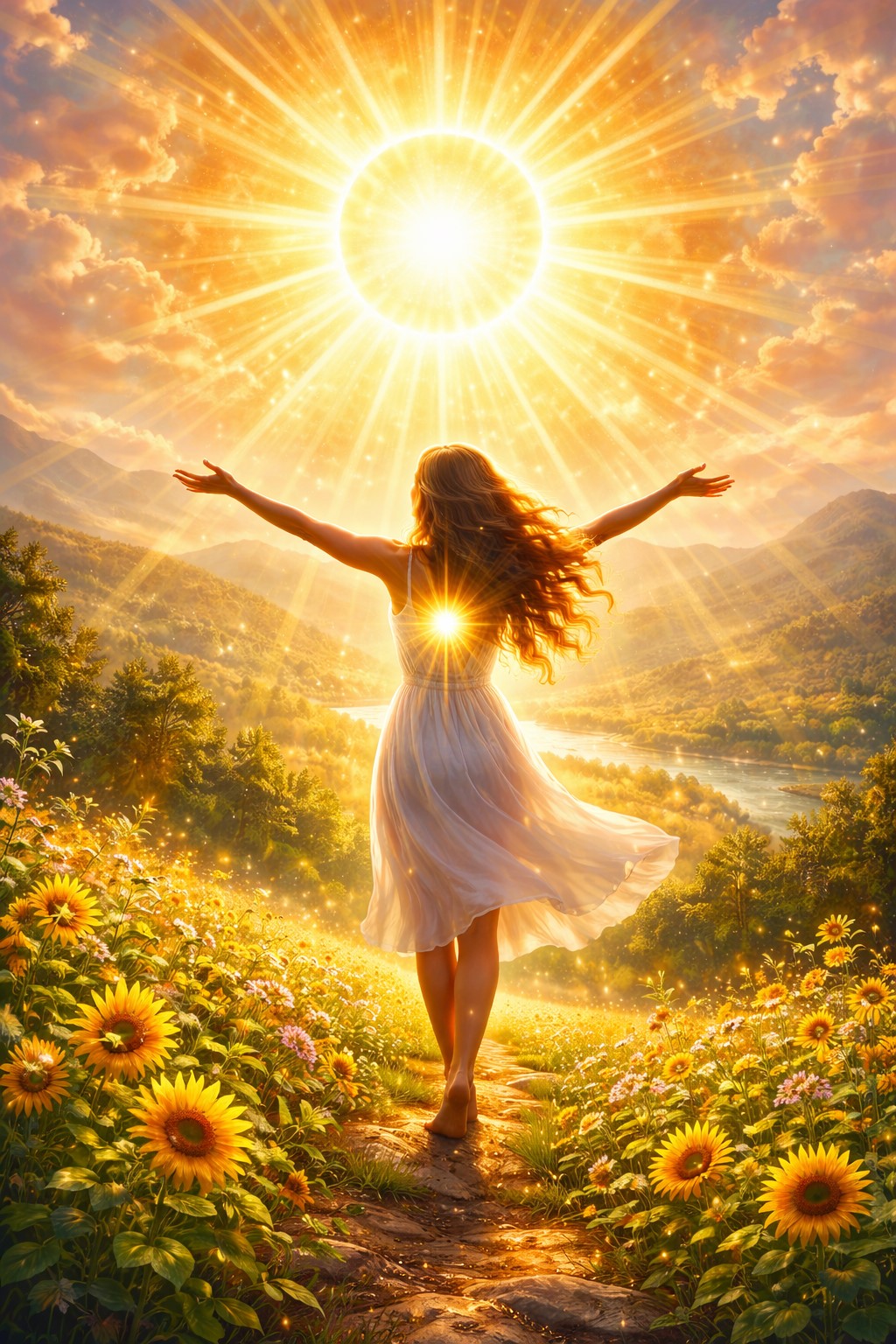
It is helpful to pause and recognize what is unfolding within the two narratives that have emerged around Crown of Light.
At first glance, they appear to describe the same arc:
a sequence of signs, lights, and alignments moving toward completion.
Yet they arise from two different starting points.
One begins in the sky.
The other begins in the heart.
Story One: The Cosmic Pattern
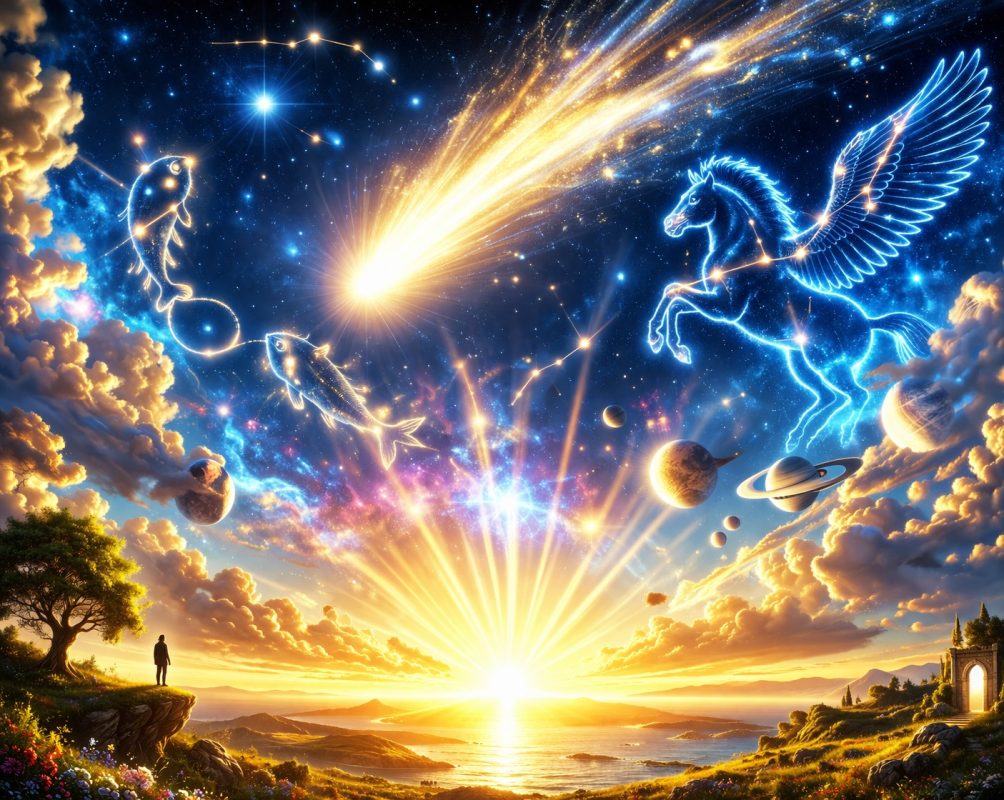
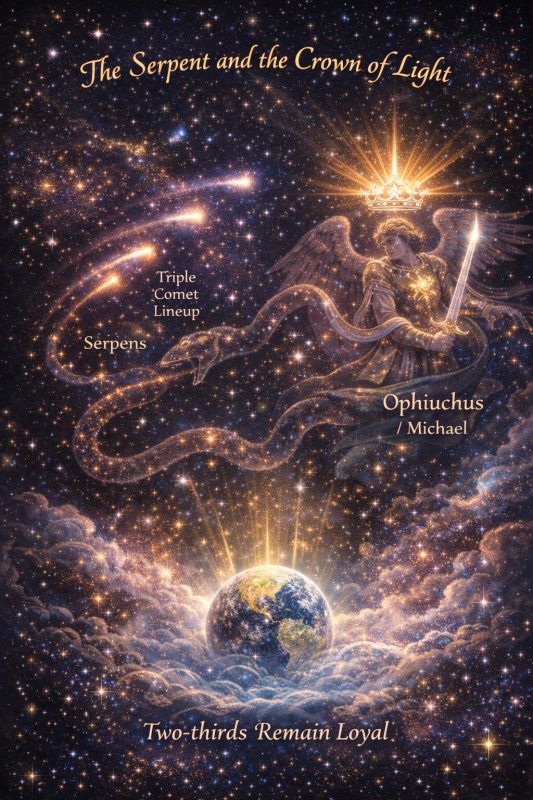
The first story is astronomical in tone.
It traces eclipses, alignments, measured spans of days, and symbolic sevens.
Its language evokes structure and order — a choreography of light written across the heavens. The emphasis lies on observable events: rings, cycles, alignments, symmetry.
In this narrative, meaning is discovered through correspondence.
The sky becomes scripture.
Seven lights appear as completion.
Time itself becomes architecture.
This story carries a subtle grandeur — almost apocalyptic in aesthetic, though not destructive. It suggests revelation without catastrophe. Illumination without collapse.
Story Two: The Inner Flame
The second story shifts the axis inward.
Here the cycle begins not with an eclipse, but with the lighting of the Shamash — the servant flame of the menorah. The emphasis is ritual, intention, awareness.
The outer sky recedes.
The inner sky opens.
Where the first story reads the heavens, the second ignites the heart. Where the first tracks symmetry, the second traces consciousness.
Eight becomes the symbol not of addition, but transcendence — the step beyond completion. The flame is no longer merely a symbol of structure, but of awakening.
Complement or Contrast?
The two stories do not oppose one another.
They move in parallel — but not in perfect alignment.
One suggests that something is unfolding in the cosmos.
The other suggests that something is unfolding in us.
The subtle tension between them is not a flaw. It reveals a question:
Is the cycle initiated by events outside us,
or by awareness within us?
Does the sky call us to awakening?
Or does awakening reinterpret the sky?
Perhaps both.
A Living Symbolic Field
At this preliminary stage, it may be premature to force resolution. The narratives are not rigid systems; they are symbolic frameworks in motion.
Story One provides structure.
Story Two provides interiority.
One offers architecture.
The other offers fire.
Together they create a field of meaning that is not purely astronomical nor purely psychological, but relational — a dialogue between cosmos and consciousness.
Moving Forward
Rather than asking which story is “correct,” we might ask a deeper question:
What becomes possible when outer light and inner light are read together?
If the sky mirrors the soul, and the soul responds to the sky, then the cycle is neither external nor internal alone — it is participatory.
These two stories may not yet form a closed theology.
But they do form a living inquiry.
And that inquiry — luminous, unfinished, and reflective — may be the true beginning of Crown of Light.
For the Visitors of Crown of Light
Let us look carefully — and honestly.
Within Crown of Light, we stand at the meeting point of sky and soul, of cosmic movement and inner awakening. Two narratives have unfolded side by side — one rooted in astronomical events, the other in ritual and inward symbolism.
On the surface, they reinforce one another beautifully.
Beneath that surface, however, subtle tensions appear.
Not contradictions — but living dynamics.
Let us explore them with clarity.
1️⃣ Where Does the Cycle Truly Begin?
Story One – The Astronomical Beginning
Here, the cycle begins with observable celestial events:
- December 4, 2021 — a solar eclipse
- October 14, 2023 — a “Ring of Fire” eclipse
The starting point is cosmic. The heavens move; we witness.
Story Two – The Ritual Beginning
Here, the cycle begins on November 1, 2024 —
the lighting of the Shamash, the servant flame of the menorah.
This beginning is intentional and inward.
Not a movement in the sky, but a hand kindling light.
🔎 The Subtle Tension
If the Shamash is “the flame that lights all others,” it would traditionally come first.
Yet in the timeline, two celestial “rings” appear before November 2024.
Symbolically, this creates an inversion:
the servant flame appears after the signs.
One possible synthesis:
The first rings are the call.
The Shamash is the response.
In this reading, the cycle does not begin with an event —
it begins with awareness.
2️⃣ Seven Lights and the Eighth Flame
Story One is built upon the symbolism of seven:
- Seven branches
- Seven lights
- Seven as completion
This echoes both ancient temple imagery and texts such as the Book of Revelation, where seven represents fullness.
Story Two introduces eight —
not as addition, but as transcendence.
Eight becomes “beyond the cycle.”
The Eighth Flame becomes culmination.
🔎 The Subtle Tension
In classical menorah tradition, the Shamash is not a mystical climax — it is a servant.
In the second narrative, eight shifts from service to transcendence.
This is not inconsistency.
It is creative reinterpretation.
Seven completes.
Eight opens.
3️⃣ The Meaning of 768 Days
Both narratives treat 768 as a sacred measure.
But its meaning expands:
- In Story One, it represents cosmic symmetry.
- In Story Two, it becomes archetypal — a number of readiness, transition, liminality.
🔎 The Subtle Tension
The number shifts from mathematical elegance to mythic resonance.
Not contradiction — but deepening.
Structure becomes symbol.
4️⃣ The Tone of Completion
Both stories emphasize:
- No destruction
- No catastrophe
- No judgment
And yet, their emotional undertones differ.
Story One carries subtle apocalyptic imagery — cosmic alignments, seven lights, echoes of revelation.
Story Two is fully mystical and psychological — entirely inward.
They arrive at the same destination,
but they travel through different emotional landscapes.
5️⃣ The Hidden Inversion
The Shamash is described as the flame that lights all others.
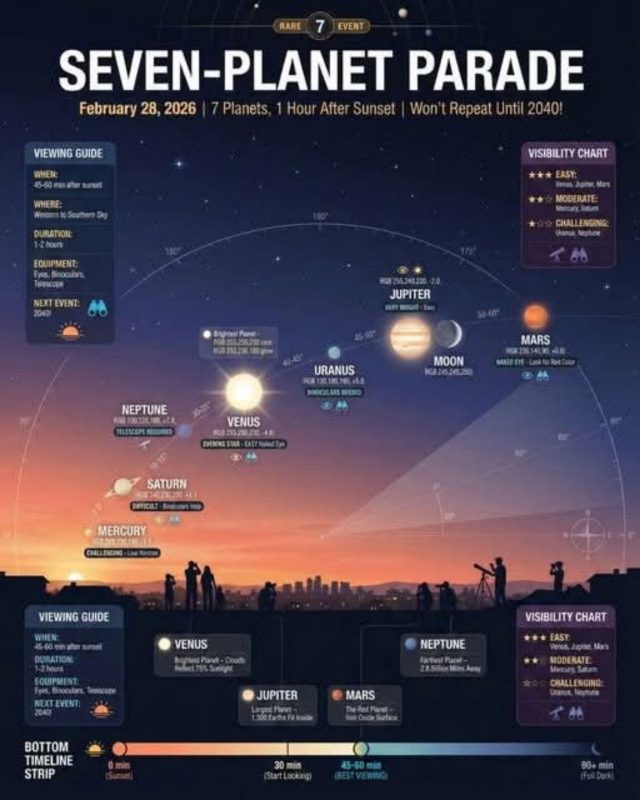
Later, a planetary alignment appears like a visible seven-branched menorah in the sky.
Symbolically, this is powerful.
Chronologically, however, the seven “arms” appear after the eighth flame.
Tradition is gently rearranged.
Not broken — reinterpreted.
🧭 What Does This Mean for Crown of Light?
These narratives:
❌ Do not contradict each other at the level of meaning.
✅ Strengthen each other thematically.
⚖️ Yet contain subtle symbolic shifts regarding:
- Where the beginning truly lies
- What “eight” signifies
- Whether the cycle is primarily cosmic or inward
They are not a mathematically sealed theology.
They are a poetic synthesis.
And perhaps that is precisely their power.
Crown of Light is not about airtight systems.
It is about resonance.
About how outer signs may mirror inner movements.
About how a flame lit by hand may reflect a sun rising in the heart.
Perhaps the tensions are not flaws.
Perhaps they reveal the process itself.
Myth does not emerge from logical perfection.
It emerges when meaning gathers around experience.
The Sun does not rise only in the sky.
It rises in us.
And so the deeper question may not be:
“Where did the cycle begin?”
But:
“When did you turn toward the light?”